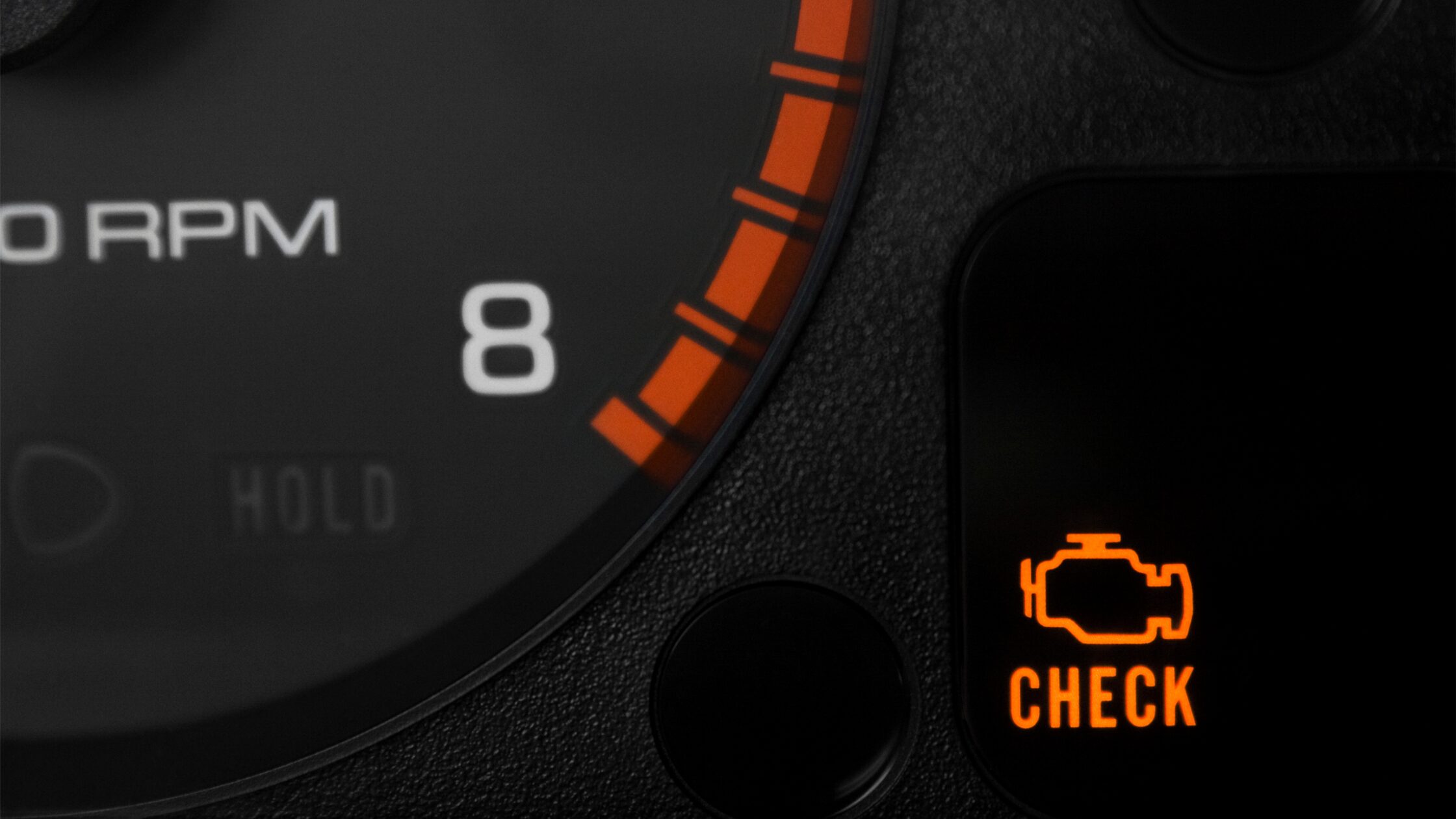
Lincoln, Nebraska is known for dramatic temperature swings—warm afternoons followed by frigid nights, sudden cold fronts, spring heat spikes, and long winter freezes. While Lincoln drivers are used to rapid weather changes, your vehicle’s engine isn’t. These fluctuations can cause a sudden illuminated check engine light, unexpected engine issues, or even severe damage if ignored.
This article explains why temperature swings increase check engine light problems, what the most common causes are, and what Lincoln drivers should do to avoid costly repairs and keep their vehicle’s engine running smoothly.
How Temperature Swings Affect Your Vehicle’s Engine
Your vehicle is a complex system made up of electrical sensors, fuel components, ignition systems, the exhaust system, and countless moving parts. Extreme weather changes affect these systems more than most people realize.
Here’s how:
1. Electrical Systems Become Unstable in Extreme Cold and Heat
Your vehicle’s electrical systems—including the engine control unit, ignition coils, and oxygen sensor—are sensitive to temperature shifts. In freezing temperatures, wires contract; in heat waves, they expand. This can cause intermittent connections that trigger light codes in your OBD system.
Modern vehicles rely heavily on sensors, so even a momentary fluctuation can turn on a warning light.
2. Fuel Mixture Problems Increase
Nebraska’s wide temperature swings affect fuel density and the air your vehicle’s engine pulls in. When the fuel-air mixture becomes unbalanced, your engine may run rich or lean, causing:
- rough idling
- engine misfires
- bad fuel economy
- hesitation during acceleration
Any of these can trigger the service engine light.
3. Exhaust System Components Fail More Often
Cold weather can crack a weakened catalytic converter, while hot weather strains the pipes and welds in your exhaust system. When these parts begin failing, the onboard computer may detect improper emissions and activate the illuminated check engine light.
4. Battery Terminals and Ignition Components Loosen
Temperature changes cause metal to expand and contract. This can loosen battery terminals, spark plug wires, and ignition connectors—another trigger for random check engine alerts.
Most Common Check Engine Light Causes Lincoln Drivers See
Lincoln’s climate creates a perfect storm for certain engine issues. The most common include:
✔ Loose Gas Cap
Yes—this simple problem is one of the top triggers. Temperature swings can cause the gas cap seal to harden or crack.
✔ Faulty Oxygen Sensor
Rapid shifts between warm and cold conditions can damage sensors in older and newer vehicles.
✔ Ignition Coil Failure
Cold mornings stress ignition coils, especially during the first time you start your engine in freezing weather.
✔ Catalytic Converter Problems
Salted winter roads, heat shifts, and corrosion can lead to converter failure—resulting in expensive repair bills.
✔ Engine Misfires
Due to bad spark plugs, wires, or timing issues. These often worsen in cold weather.
✔ Fuel Pump Issues
Summer heat and winter ice both put stress on pumps, especially in high-mileage vehicles.
✔ OBD System Alerts
The onboard computer constantly monitors sensor performance. Any short-lived temperature-related fault can store a trouble code.
Why Ignoring an Illuminated or Flashing Check Engine Light Is a Bad Idea
Ignoring a check engine light—especially a flashing check engine light—can lead to:
- major repairs
- overheating
- catalytic converter destruction
- fuel system damage
- total engine failure
A solid light may be a minor issue, but a flashing one points to a serious problem such as engine misfires or severe internal damage. Driving with a flashing light can cause immediate and expensive damage.
If the light is flashing, pull over safely and consider calling a tow truck.
How a Professional Diagnostic Service Helps
At a trusted auto repair shop, ASE-certified technicians will use advanced tools to read your vehicle’s light codes, examine sensor data, and perform accurate diagnostics to find the root cause. This ensures the problem is fixed right the first time.
A high-quality diagnostic service includes:
- OBD-II scan
- engine performance testing
- electrical system checks
- exhaust system inspection
- spark plug and ignition coil evaluation
- fuel-pressure testing
A complete automotive care center like One Shot Auto Repair provides comprehensive diagnostics, honest service, and high-quality engine repair when needed.
Routine Maintenance Helps Prevent Check Engine Issues
Lincoln’s major roads, seasonal extremes, and rural dust make routine maintenance even more important.
To prevent check engine lights, drivers should stay on top of:
- routine oil changes
- engine tune-up
- air filter replacement
- spark plugs and wires
- battery terminal cleaning
- preventative maintenance
- fluid service
- suspension and tire pressure checks
Skipping these services can lead to serious problems—many far more expensive than basic maintenance.
Where Lincoln Drivers Get the Best Diagnostics & Engine Repair
Lincoln drivers often visit well-known stores like O’Reilly Auto Parts, t.o. haas tire & auto, Christian Brothers, or Adams Auto Service for small items or parts advice. But when it comes to major issues, complex diagnostics, or engine repair, your best choice is a full-service shop with:
- ASE-certified technicians
- necessary tools and diagnostic equipment
- years of experience
- access to quality replacement parts
- excellent customer service
- clear and effective communication
One Shot Auto Repair—located near O Street and serving Lincoln and surrounding areas—offers reliable repair services, friendly staff, and high standards for quality repairs.
Their skilled team handles:
- engine diagnostics
- engine repair
- engine work & engine timing
- ignition coil, spark plug, and wire replacement
- catalytic converter inspections
- electrical systems repair
- fuel pump issues
- engine swaps (when necessary)
Lincoln drivers appreciate their honesty, competitive prices, and commitment to helping you make the right decisions about your auto repair needs.
What Lincoln Drivers Should Do When Their Check Engine Light Comes On
Follow these steps the next time it happens:
- Don’t ignore it.
A little light can become a big repair. - Check the gas cap.
Tighten it until it clicks. - Monitor the engine’s behavior.
Hesitation, rough idling, or shaking means you need immediate service. - Schedule a diagnostic service.
A licensed technician can pull accurate light codes and identify the exact issue. - Ask for a second opinion if needed.
Shops like One Shot welcome second opinions and offer fair pricing. - Stay ahead of problems with regular engine maintenance.
If you’re busy or unsure, call today to schedule a check engine light diagnosis and get the expert help you need.
Final Thoughts
Lincoln’s rapid temperature swings put extra stress on your vehicle’s engine, sensors, and exhaust components. Ignoring early signs—especially an illuminated or flashing check engine light—can lead to severe or expensive damage. With the right diagnostic service, honest recommendations, and skilled technicians, you can keep your vehicle’s performance strong and avoid costly repairs.
For accurate diagnostics, reliable repairs, friendly service advisors, and the best customer service in Lancaster County, schedule your auto service today with One Shot Auto Repair. You’re always in good hands.