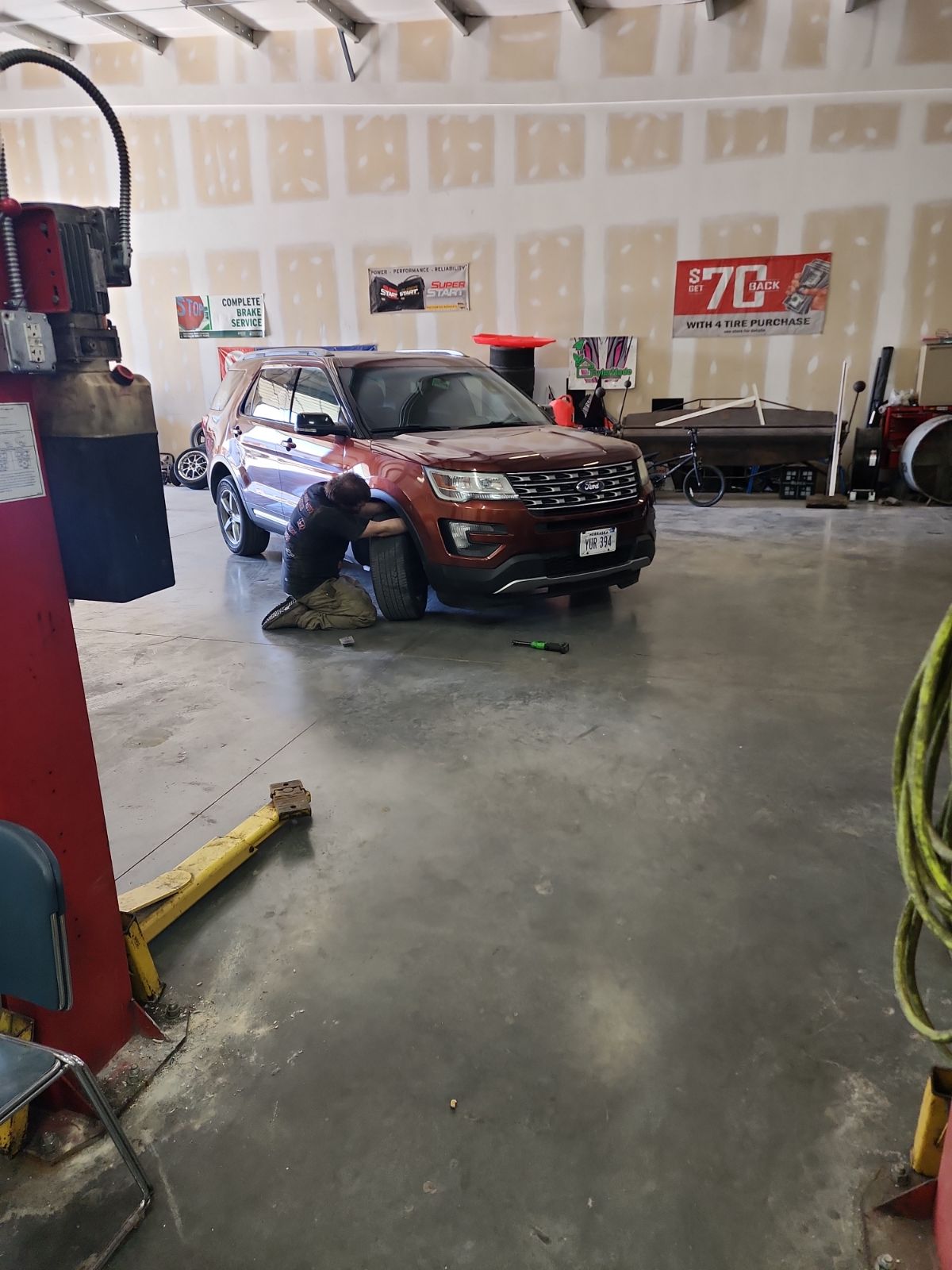
Every year, as temperatures rise in early June and beyond, construction season ramps up across downtown Lincoln, South Lincoln, and surrounding neighborhoods. From bridge repairs to resurfacing projects on Old Cheney Road, drivers quickly notice lane shifts, uneven pavement, and heavy construction equipment moving in and out of active work sites.
While these upgrades improve our infrastructure long term, they can quietly take a toll on your vehicle’s alignment and suspension system. At One Shot Auto Repair, we see a noticeable increase in alignment issues, worn suspension components, and tire damage throughout the summer months—especially after extended driving through a construction zone.
Here’s what Lincoln drivers should know about how construction season impacts their vehicles—and how to protect them.
Rough Roads, Real Damage
Construction projects often leave behind temporary surfaces, exposed gravel, steel plates, or uneven asphalt transitions. Even with visible construction signs, it’s not always easy to avoid rough patches—especially during busy commutes through state roads, 1st Street, or other high-traffic areas.
Repeated impact from these surfaces can affect:
- Wheel alignment
- Suspension components (struts, shocks, control arms)
- Steering system parts
- Tire tread wear
When your alignment is off, you may notice your steering wheel pulling to one side or uneven tire wear. Over time, this can reduce fuel efficiency and compromise vehicle handling.
Potholes and Alignment Problems
Lincoln’s freeze-thaw cycles combined with heavy machinery create potholes that can form quickly and deepen overnight. Hitting one at normal speed can knock your vehicle out of alignment instantly.
Many drivers don’t realize they can sometimes file pothole claims for severe road damage, but even then, the inconvenience of repairs and downtime can be frustrating.
In some cases, local authorities such as the Lincoln Police or the Lancaster County Sheriff’s Office may respond to incidents where road hazards contribute to accidents. Reports highlighted in Gray News and Gray Local Media have shown how construction-related road conditions can increase the risk of collisions, particularly when drivers are navigating unfamiliar detours.
Construction Zones and Sudden Maneuvers
Active construction areas often require quick lane shifts or sudden braking when traffic narrows. Swerving to avoid debris, gravel, or even uncured cement can place additional strain on suspension components.
Even minor incidents—like scraping debris under the hood of the SUV or hitting a raised manhole cover—can cause hidden damage.
Local first responders frequently assist at traffic incidents in construction zones. News outlets such as Gray News sometimes report on crashes involving drivers navigating active work sites. In previous public reports, incidents have involved individuals described as a 23-year-old Lincoln man, 18-year-old boys, or even a 15-year-old girl, underscoring how drivers of all ages can be affected by hazardous road conditions.
The key takeaway? Construction season increases the risk of suspension stress, even if you avoid major accidents.
Increased Traffic and Stop-and-Go Wear
With lane closures and detours, drivers experience more stop-and-go traffic. That constant braking and accelerating increases wear not only on brake components but also on the suspension system that stabilizes your vehicle.
When alignment and suspension issues combine, drivers may notice:
- Uneven or rapid tire wear
- Steering vibrations
- Excessive bouncing
- Reduced handling stability
Left unchecked, these problems can escalate into costly repairs.
Heavy Equipment and Road Vibrations
Large construction equipment traveling along major routes can cause surface irregularities that impact everyday vehicles. Even well-marked detours don’t eliminate the effects of temporary road grading.
In meetings reported by Lancaster County Engineer Pam Dingman, discussions about infrastructure improvements often acknowledge that construction projects create short-term inconvenience for drivers. While upgrades are essential, the interim conditions can affect vehicle suspension and alignment more than many realize.
Real-World Incidents Highlight the Risk
Local news alerts and the community daily digest regularly include traffic updates tied to construction projects. Stories reported by Gray Local Media have covered situations where drivers collided with barriers or experienced mechanical damage in work zones.
While each situation differs, incidents occasionally involve individuals identified in public records—such as 29-year-old Alexander Hester—in reports related to traffic events. It’s important to remember that construction zones increase complexity for all drivers, regardless of experience level.
Additionally, traffic enforcement may result in traffic-related citations for speeding in construction areas, as reduced speed limits are strictly enforced for safety.
The goal of highlighting these public reports isn’t to assign blame—but to emphasize how demanding construction environments can be on both drivers and vehicles.
Bridge Repairs and Structural Stress
Ongoing bridge repairs in and around downtown Lincoln and connecting routes can create abrupt elevation changes. Steel transition plates and temporary patches can jar your suspension if crossed at higher speeds.
Repeated impacts may weaken:
- Ball joints
- Tie rods
- Shock absorbers
- Control arms
Even if your vehicle feels fine immediately afterward, underlying stress can develop gradually.
Towing After Construction Incidents
When vehicles become disabled due to road hazards, a tow truck is often required to remove them from active lanes. Even minor undercarriage impacts can result in bent suspension parts that compromise steering control.
Avoiding that inconvenience starts with proactive inspections.
Warning Signs Your Alignment or Suspension Is Affected
If you’ve been driving frequently through South Lincoln, Old Cheney Road, or other heavy construction corridors, watch for these symptoms:
- Vehicle pulling left or right
- Steering wheel off-center
- Clunking noises over bumps
- Uneven tire wear
- Reduced ride comfort
These issues may not trigger dashboard warnings, but they affect overall vehicle safety.
Why Early Inspection Matters
Construction season may last several months, but the damage to your suspension can occur in a single encounter with a pothole or uneven surface.
Addressing alignment issues early:
- Extends tire life
- Improves fuel efficiency
- Prevents premature suspension wear
- Enhances overall safety
Waiting too long can cause secondary damage that increases repair costs.
Protecting Your Vehicle During Construction Season
Here are practical steps Lincoln drivers can take:
- Slow down in every construction zone.
- Avoid sudden braking or swerving when possible.
- Maintain safe following distance.
- Schedule periodic alignment checks during peak construction months.
- Pay attention to unusual steering behavior.
Even careful drivers can’t avoid every rough patch—but proactive maintenance minimizes long-term damage.
Stay Ahead of Construction-Related Wear
Construction is a sign of growth and improvement in our community. From projects in downtown Lincoln to resurfacing efforts across major corridors, the work ultimately benefits everyone.
However, those temporary conditions can strain your vehicle’s suspension and alignment systems more than you might expect.
At One Shot Auto Repair, we provide thorough suspension inspections and professional alignment services designed to keep your vehicle safe and stable throughout construction season.
If you’ve recently driven through rough construction areas—or simply want peace of mind—schedule an inspection today. Protect your vehicle from hidden damage and keep your ride smooth, no matter how busy Lincoln’s roads become.